
Cybersecurity That Supports HIPAA Compliance
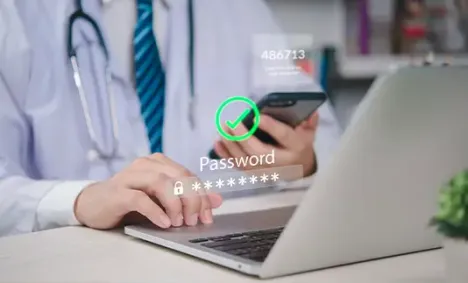
Control Access with Multi-Factor Authentication (MFA)
HIPAA’s standard 164.312(d) requires organizations to implement policies to verify that only authorized users access information systems, applications, programs, or files. MFA is the first step in complying with privacy rules and ensuring access control policies that protect user credentials and health information.

Stop Threats with Network Security
Prevent malware of all types with layered security that provides traffic segmentation and delivers traditional intrusion prevention, gateway antivirus, and web filtering, as well as advanced services that block ransomware, novel malware strains, and the loss of sensitive data.

Secure Endpoints and Better Protect Patient Data
From employees' laptops to connected medical devices, every endpoint is a potential entry point for attackers. With AI-powered endpoint detection and response (EDR), you reduce your attack surface and strengthen visibility to safeguard PHI and maintain operational continuity.
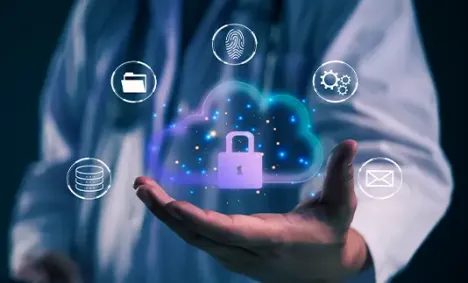
Protect Sensitive Information with Encryption and VPN Security
Keeping data encrypted during transit is critical for PHI availability and compliance. Features like drag-and-drop VPN creation protect data transfers between hospitals, urgent care clinics, pharmacies, and physician offices.
WatchGuard Replaces Legacy NDR as Orders of St John Care Trust Transitions to the Cloud
The Trust sought a cloud-based security solution that could integrate seamlessly with its cloud infrastructure while maintaining robust threat detection.
Related Blogs

RMM vs. Dedicated Patch Management Solution: Which Patching Strategy Is the Best Option for You?
RMM vs. Dedicated Patch Management Solution: Which Patching Strategy Is the Best Option for You?
Reducing vulnerabilities is crucial for any organization, but which tool suits your needs best?

How to improve cybersecurity in the healthcare sector
How to improve cybersecurity in the healthcare sector
Now more than ever MSPs and healthcare centers need to be aligned and act proactively in order to protect themselves from these risks. Read about practical tips on how to do it.
How to Strengthen Cybersecurity in the Healthcare Industry
How to Strengthen Cybersecurity in the Healthcare Industry
Cybercriminals are targeting healthcare services. Firewalls are still your first line of defense. k